01
The child as protagonist
Every child arrives whole — capable, curious, and ready to make meaning. Our educators follow their questions instead of overwriting them with predetermined answers.
A Reggio Emilia inspired curriculum that follows the child — built around long-form projects, natural materials, and the patient art of really listening to what they're already wondering about.
Born in post-war Italy, the Reggio Emilia approach views every child as capable, curious, and full of theories about the world. Our role is not to fill them up with answers — it's to walk alongside them as they ask their own questions.
Every child arrives whole — capable, curious, and ready to make meaning. Our educators follow their questions instead of overwriting them with predetermined answers.
Our spaces teach alongside our educators — through natural light, real materials, low shelves, and rooms that invite slow looking. Beauty isn't decoration here, it is pedagogy.
We pay attention. We photograph the muddy hands, transcribe the half-formed theories, and revisit them together — so children see their own thinking made visible.
Learning unfolds through extended investigations that emerge from children's own interests — sometimes a project lives for a week, sometimes for half a year.
Learning occurs both indoor and outdoor. Our garden is a sensory delight, with natural elements like wood, water, sand, plants, herbs, spices, and small animals — letting our children appreciate the beauty of nature.
In the classroom, we bring in materials from nature itself. We use natural objects to stimulate our students' thoughts and enhance their play. They have hands-on learning experiences they won't have in a traditional classroom.
Outdoor kitchens with utensils and a sandpit nearby generate countless variations of role play and imaginative play. Climbing, jumping, rolling and crawling are facilitated through larger wooden equipment. Kids explore and play with nature materials, stimulating creativity and a sense of wonder.
From the gentlest first steps away from home to the confident year before primary school — each group has its own pace, space, and rhythm.
Gentle separation, sensory exploration, soft routines. The first taste of "we" outside of home.
Project-led inquiry, language explosion, beginning to draw their own questions onto the page.
Long-form projects, early literacy, numeracy through real problems, deepening friendships.
The bridge year. Confidence, focus, self-direction, and the joy of finishing what you start.
Our days follow a gentle rhythm — predictable enough to feel safe, flexible enough to follow what the children are interested in today.
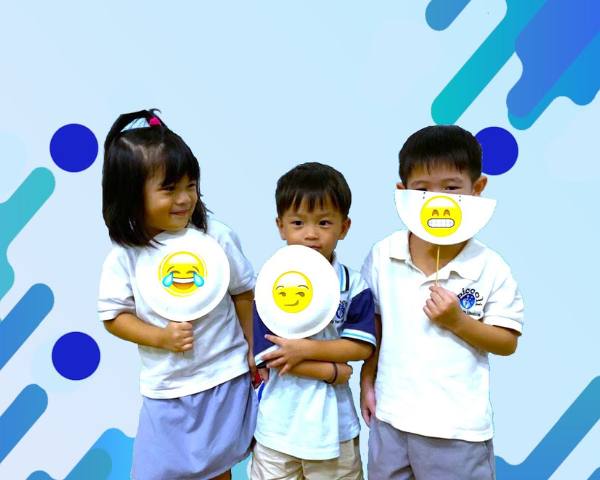
A warm welcome, a quiet morning provocation set out on the table, breakfast for those who'd like it.
Songs, stories, and what we're wondering about today. Children share, listen, and propose.
Small groups dive into ongoing investigations — clay, paint, observational drawing, building.
Garden, sandpit, climbing, herb-tending. A long stretch of unhurried outdoor time.
A nourishing meal eaten together, with real plates and real talk.
Rest, read, or work quietly — depending on the child and the day.
A new invitation to play — sometimes returning to the morning's project, sometimes something fresh.
Snacks, stories, gentle goodbyes. A moment of reflection before home.